How to Plan the Perfect Lakeside Weekend Escape in the US
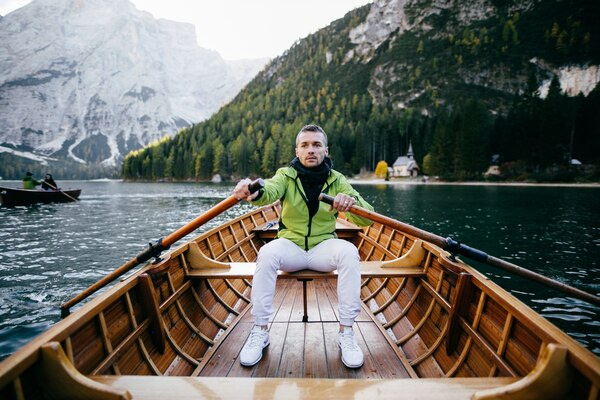
Planning a lakeside weekend escape in the US is all about balancing logistics with relaxation: choosing the right lake, the right season, and the right pace so you come home refreshed instead of exhausted. Use this guide as a practical blueprint you can adapt to almost any region.
1. Choose the Right Lake for Your Style
Start by deciding what kind of weekend you want, then pick a lake that matches it.
Define your priorities
Ask yourself:
- Do you want quiet and secluded, or lively and social?
- Are you more into swimming and sunbathing, or boating and fishing?
- Do you want a cabin with full amenities, or a rustic campsite?
- How far are you willing to drive?
Popular lake “types” to consider
- Classic vacation lakes (great mix of everything)
Ideal if you want restaurants, boat rentals, and activities.
Think: Lake Tahoe (CA/NV), Lake George (NY), Lake of the Ozarks (MO), Lake Geneva (WI).
- Quiet and scenic escapes
Fewer crowds, more nature, often great for couples or deep rest.
Think: Finger Lakes (NY), Lake Santeetlah (NC), Flathead Lake (MT), Priest Lake (ID).
- Adventure-focused lakes
Surrounded by hiking, mountain biking, or national parks.
Think: Lake Champlain (NY/VT), Lake Powell (AZ/UT), Lake Quinault (WA), Crater Lake (OR – mostly for views/hikes rather than swimming).
- Family-friendly lakes
Easy access, shallow swimming areas, mini-golf, ice cream shops, etc.
Think: Deep Creek Lake (MD), Big Bear Lake (CA), Table Rock Lake (MO/AR), Lake Winnipesaukee (NH).
If you’re not sure where to start, search “best lakes near [your city] for weekend trips” and cross-check a few options on maps and review sites.
2. Pick the Best Time to Go
Your experience changes dramatically with the season and even the specific weekend.
Consider the season
- Late spring (May–early June)
Pros: Cooler nights, fewer crowds, lower prices in many places.
Cons: Water may still be cold for swimming in northern states.
- Summer (June–August)
Pros: Warm water, long days, full range of activities, open rentals and restaurants.
Cons: Higher prices, heavier traffic, more crowded beaches and boat ramps.
- Early fall (September–early October)
Pros: Fewer people, gorgeous foliage in many regions, comfortable temps.
Cons: Shorter days, some seasonal businesses start closing or reducing hours.
- Shoulder weekdays vs. holiday weekends
If possible, avoid Memorial Day, Fourth of July, and Labor Day weekends. You’ll get:- Lower lodging prices
- Less traffic and noise
- Easier access to rentals and restaurants
3. Choose Where You’ll Stay
Where you sleep shapes the feel of your whole trip. Decide between three main options: cabin/house rentals, lakeside hotels/lodges, or camping.
Cabins and vacation rentals
Best for: privacy, cooking your own meals, small groups or families.
- Search platforms: Airbnb, Vrbo, regional cabin rental sites, or local property managers.
- Check:
- Exact distance to the water (many listings say “close to the lake” but can be a steep 15-min walk or drive).
- Dock or beach access and whether it’s shared or private.
- Kitchen basics (pans, coffee maker, grill, spices).
- AC and heating, especially for summer in hot states or chilly spring/fall nights.
- Wi-Fi and cell coverage if you may need to work or stay reachable.
For a weekend, prioritize easy, quick access to the water over extra amenities. Every extra commute eats into your limited time.
Lakeside hotels and lodges
Best for: low-planning, short trips, couples, or solo travelers.
- Look for: on-site beach, pier, or lawn right by the water.
- Check if they offer:
- Kayak/paddleboard/canoe rentals
- Free parking
- Breakfast included
- Quiet hours (for lighter sleepers)
Camping and glamping
Best for: budget trips, nature immersion, or a digital reset.
- Types of sites:
- State and national parks (well-managed, but book early).
- Private campgrounds (more amenities: showers, camp stores, often more crowded).
- Glamping tents, yurts, or RV rentals if you want comfort without full-on “roughing it.”
Check:
- How far the campsite is from the shoreline.
- Fire rules and firewood policies.
- Quiet hours, generator rules, and pet policies.
- Whether you need to bring water or if there’s a potable source.
4. Plan Your Route and Timing
For a weekend trip, travel time is critical. Aim to spend no more than 3–4 hours driving each way if you want to maximize your time at the lake.
Map out the journey
- Use Google Maps or similar to:
- Check typical traffic patterns for your departure time and day.
- Identify 1–2 good stops for food, fuel, or stretching.
- Plan to:
- Leave early on departure day to beat traffic and arrive before dark (especially important for unfamiliar roads or campsites).
- Head home either early in the day or late evening to avoid peak Sunday afternoon or holiday traffic.
Consider car logistics
- If towing or renting a boat, make sure:
- Your vehicle and hitch are properly rated.
- You know boat ramp locations and parking options.
- Download offline maps if reception may be spotty.
5. Build a Loose Itinerary (Without Over-Scheduling)
The goal is to have a plan, not a minute-by-minute schedule. Aim for one anchor activity per day plus flexible downtime.
Day 1 (Arrival day)
- Afternoon/early evening:
- Arrive, settle in, quick walk to the shoreline to get oriented.
- Light activity: short swim, quick paddle, or dockside reading.
- Evening:
- Simple dinner that’s easy to prep (or eat out nearby).
- Campfire, stargazing, or just sitting by the water at dusk.
Day 2 (Full day)
Pick one primary activity + one lighter one:
- Morning (when the water is calmer and temps are cooler):
- Kayaking or paddleboarding
- Boat ride
- Fishing
- A nearby hike with a lake view
- Afternoon:
- Swimming and relaxing on the shore
- Reading in a hammock
- Short walk or scenic drive
- Evening:
- Grill or dine at a waterfront restaurant.
- Sunset on the dock or beach.
Day 3 (Departure day)
- Keep it simple:
- Quick swim, coffee by the water, or short walk.
- Pack up with enough time to do a last-minute clean-up or cabin checklist.
- Leave early enough to avoid the worst of traffic.
Don’t try to do everything; the best lakeside weekends feel unhurried.
6. Decide on Your Activities in Advance
You don’t need to pre-book every minute, but some things should be reserved.
On the water
- Kayak, canoe, and paddleboard rentals
- Reserve ahead on busy weekends.
- Ask: life jackets included, time slots, launch locations.
- Motorboat and pontoon rentals
- Often book up weeks in advance in peak season.
- Understand license requirements and local regulations.
- Confirm fuel policies and damage deposits.
- Swimming
- Look for designated swim beaches with lifeguards, especially for kids.
- Check water quality advisories on local or state park websites.
- Fishing
- Check if you need a state fishing license and where to buy it.
- Note any rules on catch limits and species.
Off the water
- Nearby hikes, scenic overlooks, and state park trails.
- Small-town main streets with coffee shops, bakeries, and local diners.
- Bike paths or rail trails around the lake.
- Local attractions: lighthouses, historic sites, farm stands, or wineries (common in areas like the Finger Lakes).
Create a shortlist rather than a packed schedule, and adapt based on weather and mood.
7. Pack Smart for a Short Trip
You’ll have limited time, so packing thoughtfully lets you slip into “lake mode” quickly.
Clothing basics
- Quick-dry swimsuits (bring at least two per person if you’ll be swimming a lot).
- Layers: light jacket, sweatshirt, or flannel for evenings.
- Comfortable walking shoes and flip-flops/water shoes.
- Sun hat or cap and a lightweight cover-up.
- Extra socks and a change of clothes in case of sudden rain or spray from the boat.
Gear for the water
- Beach towels or quick-dry microfiber towels.
- Water shoes for rocky or mucky shorelines.
- Dry bag for phones, keys, and wallets on the water.
- Collapsible cooler or insulated bag for drinks and snacks on the beach or boat.
- Snorkel mask or simple water toys (especially for kids).
Sun and bug protection
- Broad-spectrum sunscreen (SPF 30+).
- Lip balm with SPF.
- Sunglasses (preferably polarized for better water visibility).
- Insect repellent (especially near wooded or marshy areas).
- After-sun lotion or aloe, just in case.
Food and kitchen basics
Even if you plan to eat out, bring:
- Snacks: nuts, granola bars, fruit, crackers, and cheese.
- Easy breakfast items: coffee, tea, oatmeal packets, yogurt, or pastries.
- Reusable water bottles and maybe a large jug for refills.
- Salt, pepper, cooking oil, and any “must-have” condiments.
If you’re camping, add:
- Portable stove or grill (if allowed), fuel, matches/lighter.
- Cooler with ice or ice packs.
- Simple one-pan meals (tacos, stir-fry, grilled skewers) to minimize cleanup.
Comfort and extras
- Small first-aid kit (bandages, antiseptic wipes, pain reliever, allergy meds).
- Flashlights or headlamps.
- Portable speaker (use considerately, minding nearby guests).
- Books, cards, or compact games for evenings or rainy hours.
8. Know the Local Rules and Safety Basics
A perfect weekend is also a safe one. Spend a few minutes checking the essentials.
Water and boating safety
- Everyone on a boat or paddlecraft should have a properly fitted life jacket, worn or within arm’s reach depending on local rules (children usually must wear them).
- Be aware of:
- No-wake zones.
- Areas off-limits to motorboats.
- Changes in weather forecast (especially wind and thunderstorms).
- Avoid alcohol when operating boats or jet skis.
Local regulations
- Check:
- Parking fees and permits at boat ramps or parks.
- Fire bans or restrictions, especially in dry seasons.
- Quiet hours at your lodging or campground.
- Pet rules (on-leash areas, dog-friendly beaches, cleaning up waste).
Environmental etiquette
- Pack out all trash, especially plastics and fishing line.
- Stay on marked trails to protect shoreline vegetation.
- Use biodegradable soaps away from the water if you need to wash dishes or yourself.
- Respect wildlife; enjoy observing but don’t feed or approach animals.
9. Set Expectations with Your Group
If you’re traveling with friends or family, aligning expectations is one of the most overlooked parts of planning.
Discuss briefly:
- Pace: Do people want to do a lot, or mostly relax?
- Budget: Rough expectations for meals out, activities, and rentals.
- Technology: Is this a half-digital-detox, or will some people need to be online?
- Shared chores: Who cooks, who cleans, who manages the fire or grill, and who handles reservations?
A short conversation before you go can prevent frustration later.
10. Sample Weekend Blueprint to Copy
Use this as a plug-and-play outline and tweak it for your location:
Friday
- 8:00–9:00 am: Depart, grab coffee on the way.
- 12:00–1:00 pm: Arrive, quick lunch, unpack, walk down to the lake.
- 3:00–5:00 pm: Short paddle or swim; simple downtime on the shore.
- 6:30 pm: Dinner (grill at the cabin or casual local spot).
- 8:00 pm: Campfire, stargazing, or reading on the porch.
Saturday
- 7:30 am: Coffee by the water; quiet time.
- 9:00 am–12:00 pm: Main activity (boat rental, longer paddle, or hike with lake views).
- 12:00–1:30 pm: Lunch and rest.
- 2:00–5:00 pm: Swimming, beach time, or naps and reading.
- 6:30 pm: Dinner at a lakeside restaurant.
- Sunset: Walk along the shore or dock; photos, then board games or a movie.
Sunday
- 8:00 am: Easy breakfast, quick dip or walk.
- 10:00–11:00 am: Pack up, tidy your lodging or campsite.
- 11:00 am–3:00 pm: Drive home, with one fun stop (farm stand, small town café).
11. Keep the Focus on Rest, Not Perfection
The “perfect” lakeside weekend doesn’t mean flawless weather or a perfectly executed plan. It usually looks more like:
- Unstructured time by the water.
- Simple meals enjoyed slowly.
- Enough planning that logistics feel easy, but enough flexibility to follow the weather and your energy.
Choose a lake that matches your style, keep travel time reasonable, book your lodging and any must-have rentals early, pack light but smart, and leave space for doing absolutely nothing beside the water. That combination is what turns an ordinary weekend into a true escape.